What Makes Human-AI Teams Trustworthy?
Trust in AI is not a switch. It is calibrated — or miscalibrated — through every interaction.
britelab · Aug 12, 2026 · 6 min read
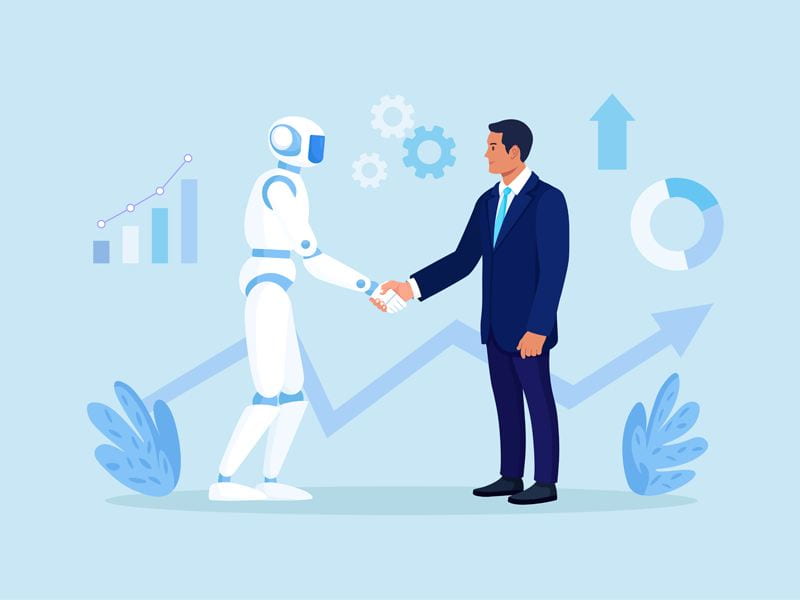
Teams increasingly include an AI collaborator that suggests ideas, flags risks, or recommends decisions. Whether that team performs well depends less on the AI's raw accuracy than on whether people trust it the right amount.
Calibrated trust
Over-trust leads people to accept flawed suggestions; under-trust wastes useful help. In NSF-funded studies, we measure how explanations, error patterns, and team roles shift trust over time during real engineering tasks.
Design levers
Transparency about uncertainty, clear role boundaries, and opportunities for people to check AI work all help trust track reliability. Surprisingly, polished AI output can increase over-reliance when it hides uncertainty.
Why it matters
From engineering design to security operations, organizations are deploying AI teammates now. Evidence-based design principles help them do it safely.
Related project
Crowd-AI Teams
See related work in our publications or meet the research team.